
TMJ Disorder
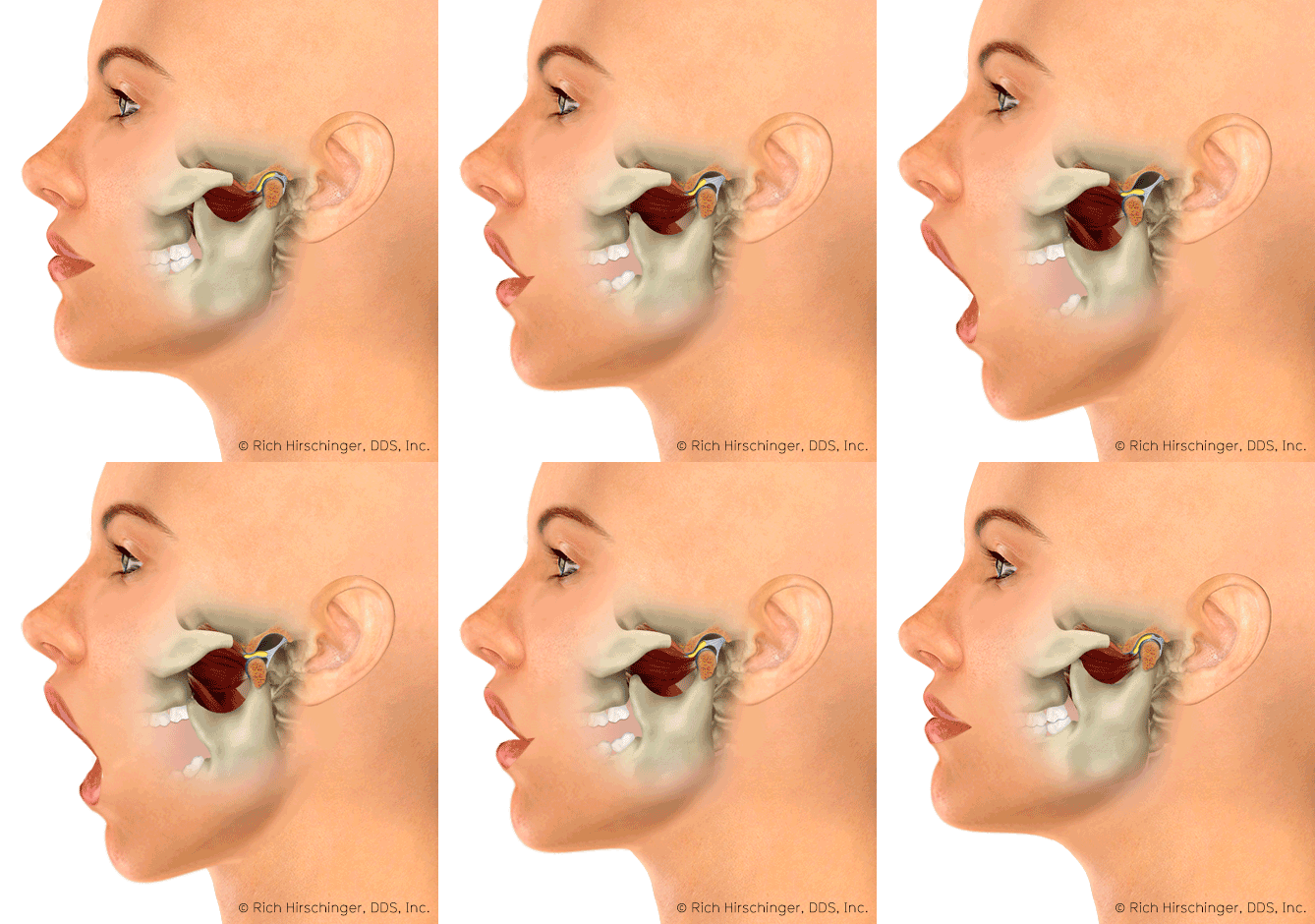
Normal Jaw Function
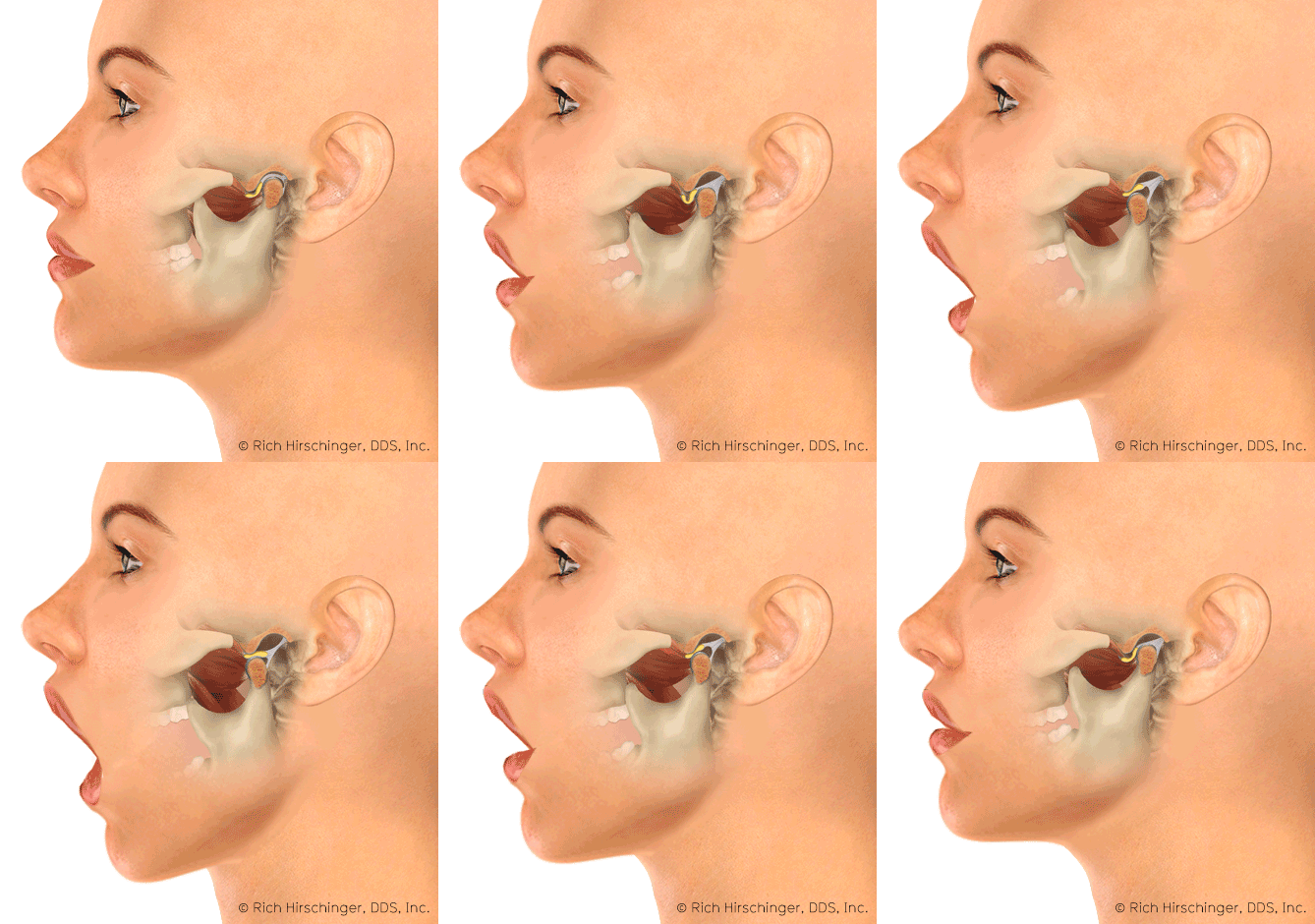
Popping
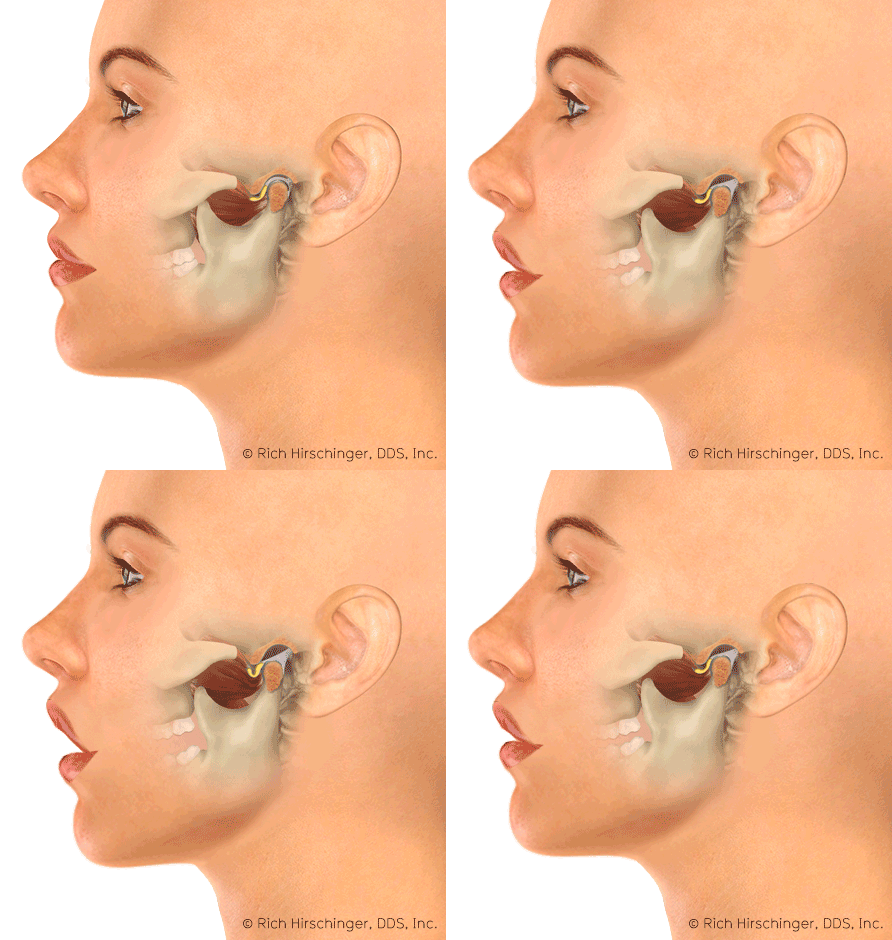
Locking
Symptoms
Jaw pain is one of the most common symptoms of TMJ disorders. The pain may feel like a dull ache or a sharp, intense pain, and it may be constant or come and go. Discomfort can also extend beyond the jaw, radiating to the face, neck, or shoulders.
Common Symptoms of TMJ Disorders
Symptoms may include:
Jaw pain or tenderness
Pain while chewing or speaking
Clicking, popping, or grinding sounds when moving the jaw
Difficulty opening or closing the mouth
Jaw stiffness or limited movement
Headaches or facial pain
Earaches or pressure in the ears
Neck or shoulder pain
Changes in the way the teeth fit together
Jaw locking or catching
Diagnosis
Diagnosing TMJ disorders can be challenging because they can take many different forms. TMJ symptoms may also overlap with, or contribute to, other facial pain conditions, making an accurate diagnosis especially important.
There is no single test that can definitively diagnose a TMJ disorder or identify the exact cause of jaw pain. Instead, diagnosis typically begins with a comprehensive evaluation of your symptoms and a detailed physical examination.
Your provider may assess:
How your jaw moves and functions
How your teeth fit together
The jaw joints and surrounding structures
Areas of muscle tenderness or pain
Your overall pattern of facial and jaw symptoms
When appropriate, imaging studies such as CT scans or MRI may be recommended to provide a closer look at the jaw joints, bones, muscles, and surrounding tissues.
Because TMJ disorders can have multiple contributing factors, your provider will consider your complete medical history, symptoms, and examination findings when developing an accurate diagnosis and personalized treatment plan.
Causes
TMJ disorders can develop for many different reasons. In some cases, symptoms may begin after an injury, dental procedure, or other event. However, many people develop TMJ disorders without a single identifiable cause. Instead, experts believe that a combination of physical, biological, and emotional factors may contribute to the development of symptoms.
TMJ disorders can involve the jaw joints, the muscles used for chewing, or the disc within the joint. Common contributing factors may include:
Jaw injury or trauma
Arthritis, which can affect the jaw joints
Teeth grinding or jaw clenching (bruxism)
Stress and emotional factors, which may contribute to muscle tension and clenching
Hormonal factors
Genetic factors
Infections or inflammation
Dental procedures or changes affecting the jaw
Because TMJ disorders can have multiple contributing factors, identifying the specific factors involved can help your provider develop a treatment plan tailored to your symptoms and needs.
Our Approach
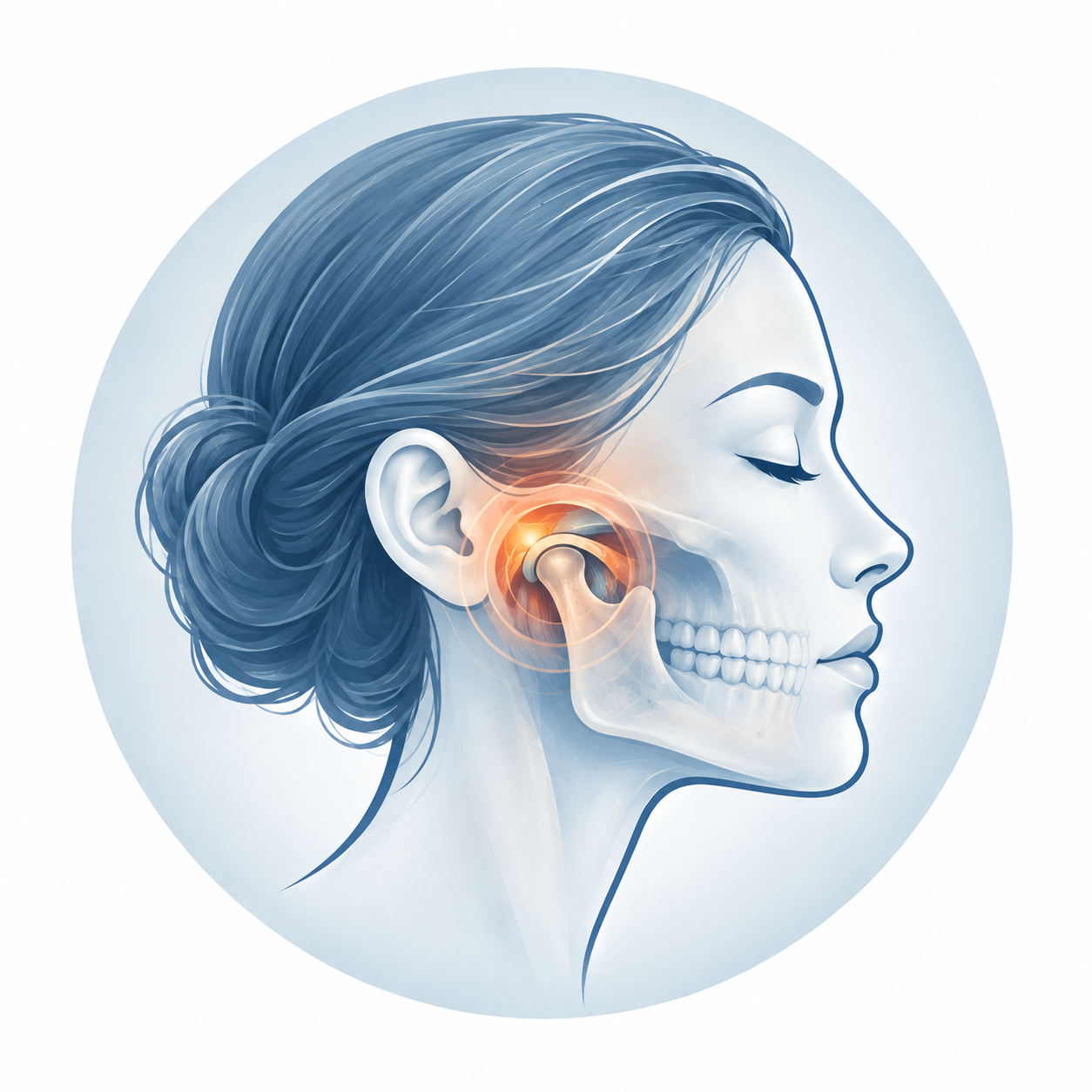
Getting a professional evaluation and expert guidance is an important first step in accurately diagnosing and treating TMJ disorders. Early intervention and personalized treatment can help manage symptoms, relieve pain, and support better long-term outcomes.
Our providers are board-certified experts in orofacial pain, including TMJ disorders. We take a comprehensive approach to care and tailor treatment to each patient’s needs.
Treatment options may include:
Custom oral appliances
Therapeutic injections
Personalized guidance for managing symptoms and improving function
Our goal is to identify the underlying causes of your symptoms and develop an effective, individualized treatment plan to help you feel better and get back to your daily life.