
Headaches
Headaches are a common symptom that can cause pain or discomfort in the head, face, or neck. They can vary in frequency, from occasional episodes to persistent or chronic pain, and range in intensity from mild to severe.
For people with TMJ disorders, headaches may be associated with tension or dysfunction in the jaw muscles and surrounding structures. When left unaddressed, recurring headaches can interfere with daily activities, sleep, and overall quality of life.
Early evaluation and appropriate treatment can help identify potential contributing factors and provide effective strategies for managing headache-related symptoms.
Cluster Headaches
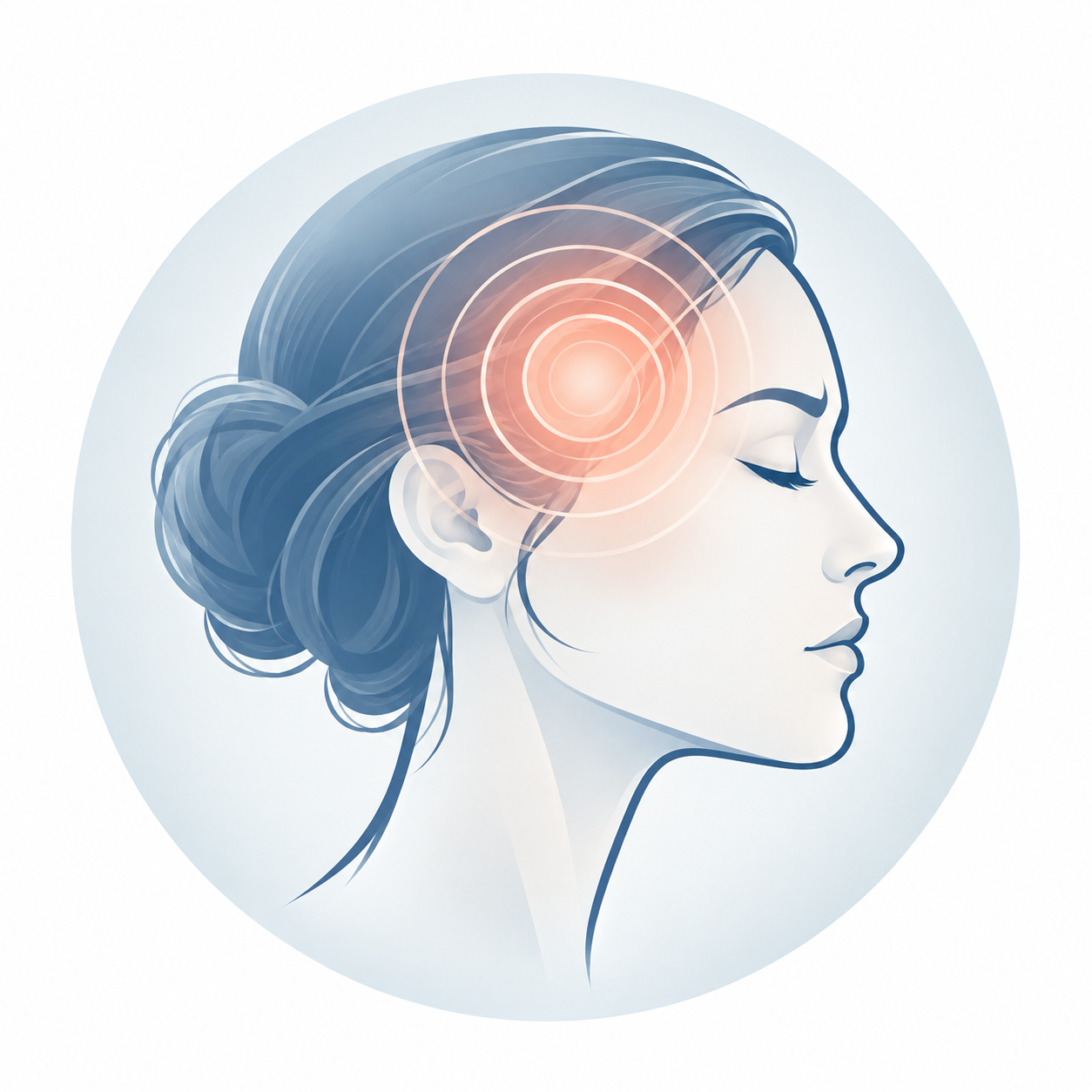
Cluster headaches are a less common but extremely painful type of headache. They typically cause severe, piercing pain on one side of the head, often around or behind one eye. Attacks may occur in groups or “clusters,” with episodes happening repeatedly over days or weeks before going into remission.
During an attack, some people may experience redness or tearing of the eye, nasal congestion or a runny nose, facial sweating, or restlessness. Cluster headaches can be highly disruptive and may require specialized evaluation and treatment.
Because different headache disorders can produce similar symptoms, a thorough evaluation can help determine the underlying cause and guide appropriate treatment.
Cluster Headache Causes
The exact cause of cluster headaches remains unclear. They appear to involve changes in areas of the brain and nervous system that regulate biological rhythms and autonomic functions. Alcohol, certain medications, strong odors, and changes in sleep patterns may trigger attacks during an active cluster period.
Because triggers can be highly individual, keeping a headache diary can be helpful. Tracking headaches, potential triggers, patterns, duration, and associated symptoms may help identify patterns and guide treatment. Lifestyle changes, stress management, and trigger avoidance may also be incorporated into a comprehensive headache management plan.
Migraine Headaches
Migraines are a neurological condition that can cause moderate to severe, often throbbing or pulsating head pain. Migraine attacks may affect one or both sides of the head and can last for several hours or, in some cases, days.
In addition to head pain, migraines may cause nausea, vomiting, and increased sensitivity to light, sound, or odors. Some people also experience an aura, which can include temporary visual or sensory changes before or during an attack.
Jaw clenching and muscle tension may contribute to headache symptoms in some people with migraines. Because migraine symptoms can overlap with other types of facial and head pain, an accurate evaluation is important.
Migraine Headache Causes
Stress or changes in stress levels
Hormonal changes
Sleep disturbances
Certain foods or beverages
Dehydration or skipped meals
Bright lights or strong odors
Changes in weather or environmental conditions
Tension Headache
Tension-type headaches are one of the most common types of headaches. They are often described as a steady, aching pain or pressure that may feel like a band tightening around the head. Pain may occur on both sides of the head and can extend into the face, neck, or shoulders.
Tension headaches may be associated with muscle tension, stress, fatigue, or prolonged jaw clenching. For some people with TMJ disorders, tension in the jaw and surrounding muscles may contribute to or worsen headache symptoms.
Tension Headache Causes
Stress and emotional tension
Jaw clenching or teeth grinding
Fatigue or lack of sleep
Muscle tension in the head, neck, and shoulders
Poor posture
Prolonged periods of screen use or repetitive activity
Diagnosis
Diagnosing headaches involves more than identifying where the pain occurs. Healthcare providers look at the characteristics, patterns, and associated symptoms of your headaches to distinguish between different headache disorders and determine whether an underlying condition may be contributing to your symptoms.
A comprehensive evaluation may include:
Medical history: Your provider will ask about the frequency, duration, severity, location, and characteristics of your headaches, as well as any associated symptoms.
Physical examination: A thorough examination can help identify signs that may point to a particular type of headache or another potential cause.
Diagnostic criteria: Providers may use established clinical criteria to distinguish between tension headaches, migraines, cluster headaches, and other headache disorders.
Headache journal: Keeping a record of your headaches can help identify patterns and potential triggers. Consider tracking when headaches occur, how long they last, their severity, associated symptoms, foods or activities beforehand, sleep patterns, and medications taken.
In some cases, additional testing or imaging may be recommended based on your symptoms and examination findings. An accurate diagnosis is an important first step toward developing an individualized treatment plan and effectively managing your headaches.
Associated Risks
Headaches that are severe, frequent, or inadequately managed can significantly affect daily life, work, relationships, and overall well-being. Potential consequences may include:
Development of chronic headache conditions
Reduced productivity and difficulty concentrating
Impaired social and daily functioning
Sleep disruption
Mood changes or the development of anxiety and depression
Medication-overuse headaches
Increased healthcare needs and medical costs
Delayed or missed diagnosis of an underlying condition
If you experience severe, persistent, or recurring headaches, an evaluation by a healthcare professional or headache specialist can help identify potential causes and determine an appropriate treatment plan
Key Factors We Consider
When evaluating headaches, our providers consider the full picture of your symptoms, medical history, and lifestyle. Important factors may include:
Headache characteristics:
Location, intensity, and quality of the pain, such as throbbing, pulsating, aching, or squeezing.
Frequency:
How often headaches occur, whether they are occasional, episodic, or chronic.
Duration:
How long each headache lasts, from minutes to several hours or longer.
Timing and patterns:
The time of day, week, or month when headaches typically occur and whether a consistent pattern can be identified.
Triggers:
Factors that may bring on or worsen headaches, such as stress, certain foods, hormonal changes, sleep disturbances, or weather changes.
Associated symptoms:
Nausea, vomiting, sensitivity to light or sound, visual disturbances or aura, dizziness, nasal congestion, tearing, and other symptoms.
Family history:
A history of headaches or migraines among family members.
Neurological findings:
Any neurological abnormalities or other signs that may indicate an underlying condition.
Medical history:
Previous head injuries, surgeries, or other medical conditions that may contribute to headaches.
Medication use:
Prescription and over-the-counter medications, including frequent or excessive use of pain relievers.
Lifestyle factors:
Sleep patterns, physical activity, dietary habits, hydration, and stress levels.
Cluster headache patterns:
For suspected cluster headaches, the frequency and timing of attacks during a cluster period, as well as periods of remission.
Previous treatments:
Headache treatments you have tried and how you responded to them, which can help guide future treatment decisions.
A detailed evaluation allows your provider to better understand your individual headache pattern and develop a treatment approach tailored to your needs.